

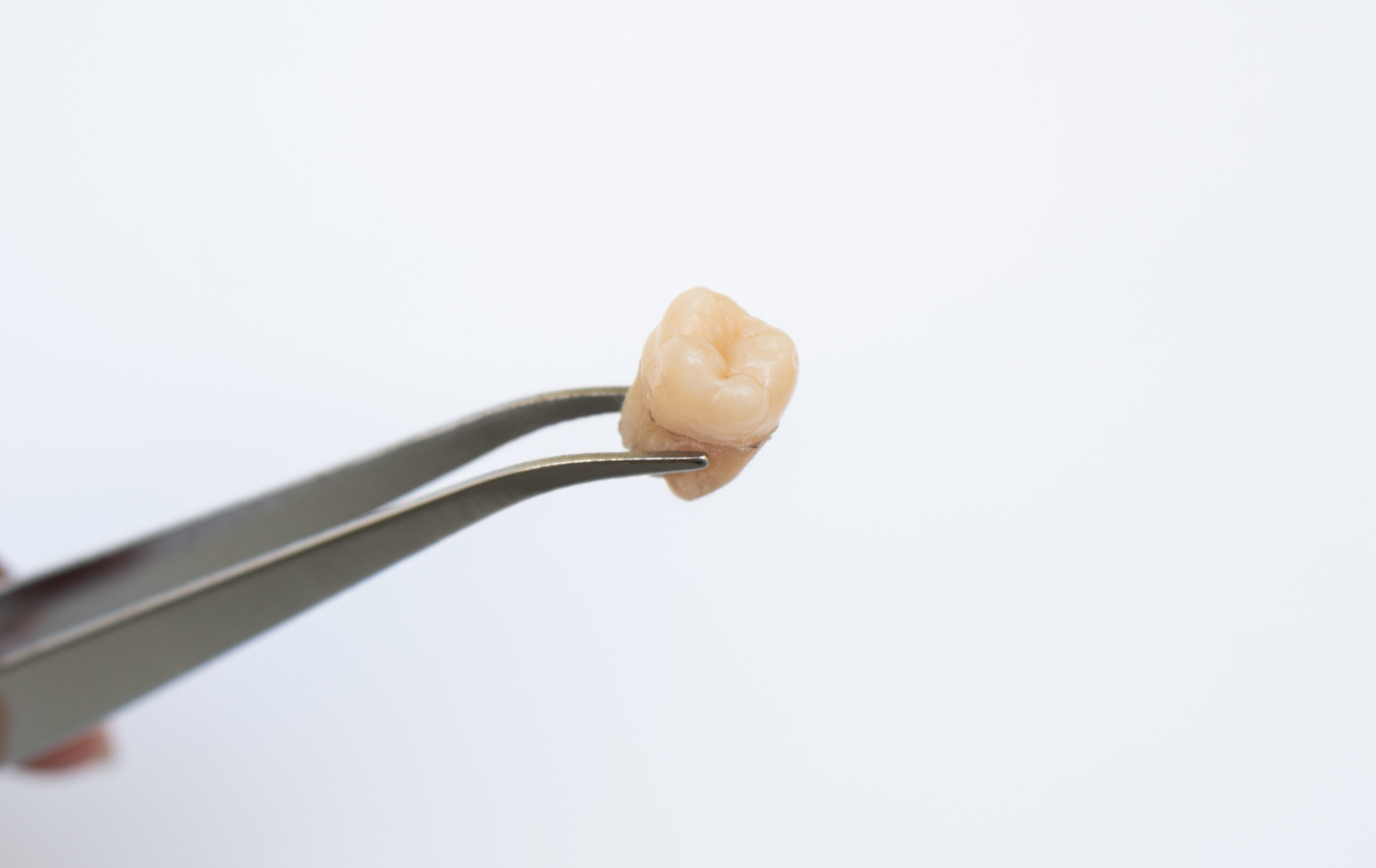
If you’ve been putting off a conversation about wisdom tooth extraction in Buffalo, NY, you’re in good company. Most people don’t dread the recovery nearly as much as they dread the unknown: what the appointment actually involves, how much it’ll hurt, and how many days you’ll need to set aside afterward.
Here’s a straightforward walkthrough of what really happens, from the first signs that a wisdom tooth is causing trouble through what the days after removal actually look like, plus a few myths that make people more nervous than they need to be.
Do I Need My Wisdom Teeth Out?
You likely need a wisdom tooth out if it’s causing pain, crowding nearby teeth, or damaging the teeth next to it as it tries to erupt. Not every wisdom tooth causes a problem, but when one does, removing it early tends to prevent bigger complications and more discomfort down the road.
A dentist is the only one who can tell you for certain, usually with an exam and X-rays, since a wisdom tooth can be causing pressure or damage below the gumline before it’s visible or painful. If you’re dealing with jaw ache, swelling near the back of your mouth, or a tooth that feels like it’s pushing on its neighbors, it’s worth getting looked at rather than waiting it out.
It’s worth saying clearly: extraction isn’t the automatic answer just because a wisdom tooth has come in. Plenty of people carry fully erupted wisdom teeth their whole lives without any trouble. The deciding factor is whether the tooth is actually causing damage or pain, not just whether it exists, which is why an exam matters more than guessing from symptoms alone.
What Actually Happens During the Extraction
A wisdom tooth extraction follows a predictable sequence, and knowing the steps ahead of time takes a lot of the uncertainty out of it.
- Consultation and diagnosis: your dentist examines the tooth, talks through your concerns, and typically takes X-rays to see the full picture below the gumline
- Choosing anesthesia: you and your dentist decide between local numbing or sedation, depending on your comfort level and the complexity of the extraction
- The extraction itself: the dentist loosens and removes the tooth using specialized tools, working to keep discomfort to a minimum
- Site care: the area is cleaned, bleeding is controlled, and stitches are placed if needed to close the gums
- Recovery planning: you’ll leave with specific post-operative instructions for the days ahead
A simple extraction usually takes about 15 to 30 minutes. A more complex case, like an impacted wisdom tooth, can take longer, and your dentist will walk you through what to expect for your specific situation before you’re in the chair.
This same process applies to extractions beyond wisdom teeth too. You can see the full range of situations we handle on our tooth extraction services page, from decay and gum disease to fractured or infected teeth.
Wisdom Tooth Extraction Recovery: Day by Day
Tooth extraction recovery follows a fairly predictable pattern for most people, even though the exact timeline varies with how complex the extraction was. Here’s a general breakdown:
| Timeframe | What to Expect |
|---|---|
| Day 1 | Swelling and some bleeding are normal. Rest, use an ice pack, and stick to soft or cold foods |
| Days 2-3 | Swelling often peaks here before starting to ease. Pain is usually manageable with over-the-counter medication |
| Days 4-7 | Discomfort continues to fade. Most people are back to normal activity, though strenuous exercise is still worth avoiding |
| Week 2+ | The extraction site is largely healed on the surface, though full healing underneath continues for several more weeks |
Good aftercare makes a real difference in how smoothly those first few days go. That means following your dentist’s instructions on oral hygiene, sticking to the recommended diet while the site heals, and not skipping pain management just because things feel okay for a moment.
It also helps to plan ahead instead of figuring it out the morning of. Stock soft foods before your appointment, line up a ride home if you’re choosing sedation, and clear your schedule for at least the first day or two rather than assuming you’ll bounce right back. A little preparation beforehand tends to make the whole week easier than scrambling for ice packs and soup after the fact.
Common Myths That Make People More Nervous Than They Need to Be
A lot of the anxiety around wisdom tooth extraction comes from a few myths that don’t hold up once you know how the procedure actually works.
- Myth: Extractions are always painful.
- Reality: local anesthesia and sedation options are designed to keep the procedure itself pain-free, though some soreness afterward is normal
- Myth: Extraction is always the first option for a problem tooth.
- Reality: dentists treat extraction as a last resort and look at other options first whenever a tooth can realistically be saved
- Myth: You have to deal with the pain for weeks.
- Reality: most discomfort is manageable with over-the-counter medication and improves significantly within the first week
Think You Might Need a Wisdom Tooth Out?
Nobody wants to keep wondering whether that ache in the back of your jaw is nothing or something that needs attention, and nobody wants to guess at what recovery will actually require before they can plan around it.
That’s where Smile Center can help. Our Cheektowaga, NY dental team examines the tooth, walks you through whether extraction is actually the right call, and if it is, explains exactly what your specific procedure and recovery will look like before you ever sit down in the chair.
Call Smile Center at 716-634-4090 or request an appointment to schedule an exam. You’ll get a clear answer on your wisdom tooth and a recovery plan that fits your schedule, not a generic one-size-fits-all timeline.
FAQ Section
At what age do wisdom teeth typically need to come out?
Most people have their wisdom teeth evaluated in their late teens to early twenties, since that’s when these teeth usually come in and when problems like crowding or impaction tend to show up. There’s no single age cutoff though, and some people need extraction later in life if a wisdom tooth starts causing issues.
Will I be awake during the extraction?
That depends on which anesthesia option you and your dentist choose. Local anesthesia numbs just the area and you stay awake and alert, while sedation keeps you more relaxed throughout the procedure. Your dentist will help you decide based on your comfort level and the complexity of the extraction.
How many days should I plan to take off work or school?
Many people feel comfortable returning to light activity within two to three days, though this varies based on how complex your extraction was and how your body responds. Planning for a few days of lighter activity, especially if more than one tooth is being removed, is a reasonable approach.
What foods should I avoid after a wisdom tooth extraction?
Skip anything hard, crunchy, chewy, or spicy for the first several days, along with using a straw, since the suction can disrupt healing. Soft foods like yogurt, mashed potatoes, and smoothies are easier on the extraction site while it heals.