

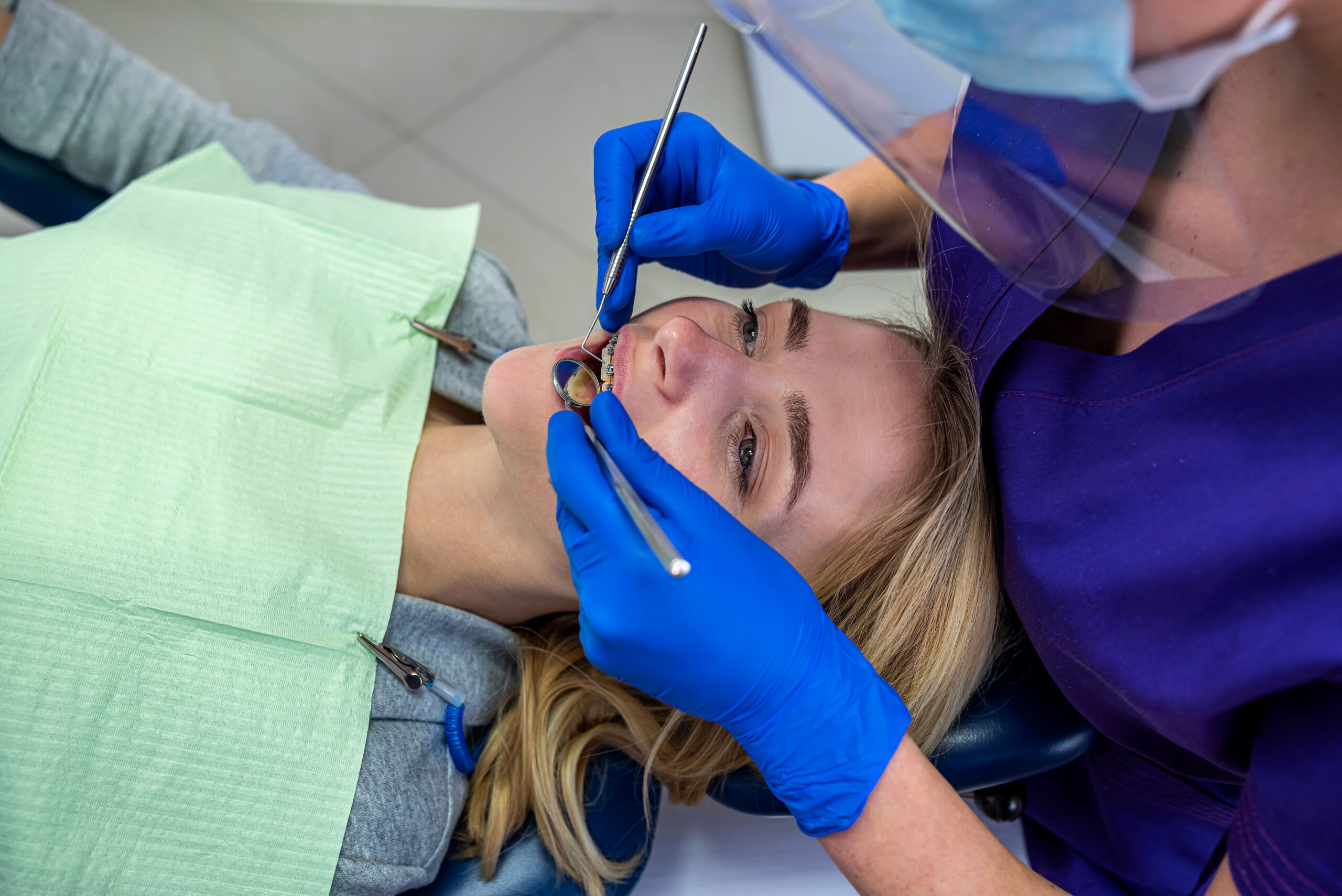
Routine dental care matters because it helps prevent cavities, gum disease, tooth loss, and costly dental emergencies. For many patients in Buffalo, NY, a routine dental checkup every six months is a way to protect oral health.
At Smile Center, preventive dental care includes cleanings, exams, screenings, and home care guidance to monitor changes, remove buildup, and recommend treatment before damage becomes serious.
The Importance of Routine Dental Visits
A routine dental visit gives your dental team a chance to protect your mouth early. Many cavities, infections, and gum problems do not cause pain at first. When discomfort begins, the condition may require further treatment.
Most patients should visit the dentist every six months for a cleaning and exam. Some local patients need more visits because of gum disease, dry mouth, diabetes, pregnancy, tobacco use, or frequent cavities. Your dentist can personalize your schedule.
Routine visits also build a relationship with a local dentist who understands your health history and comfort level.
Professional Dental Cleanings
Dental cleanings remove plaque and tartar that brushing and flossing cannot fully control. Plaque is a sticky film of bacteria. When it hardens into tartar, it must be removed with dental instruments.
Regular dental cleanings for Buffalo patients help prevent cavities by reducing the bacteria that weaken enamel. It also lowers the risk of gum disease by removing buildup around the gumline. Early gum inflammation may cause redness, bleeding, tenderness, or swelling. Without care, it can progress and damage the bone that supports teeth.
Cleanings can also improve breath. Bad breath may come from bacteria, trapped food, tartar, or gum inflammation.
Comprehensive Dental Exams
A comprehensive dental exam looks at your whole mouth, not just visible teeth. During a routine dental checkup, your dentist may check for early cavities, cracked teeth, worn fillings, enamel wear, tooth grinding, bite problems, and signs of infection.
Gum disease screening is a key part of the visit. Your dental team may measure gum pockets, check bleeding, and look for recession or bone changes. These findings help prevent loose teeth or tooth loss.
Oral cancer screenings are also important. Your dentist may examine your lips, tongue, cheeks, gums, throat, and other soft tissues for unusual sores, patches, lumps, or color changes.
Digital X-rays may be recommended when appropriate. X-rays can show cavities between teeth, bone loss, impacted teeth, abscesses, and issues not visible during the exam.
Preventive Care at a Glance
| Routine Care Step | What It Helps Prevent | Why It Matters |
| Professional cleaning | Cavities, tartar buildup, gum inflammation | Removes buildup brushing cannot fully remove |
| Dental exam | Decay, cracks, bite issues, infection | Finds concerns before they cause pain |
| Gum screening | Gingivitis, periodontal disease, tooth loss | Tracks gum health and bone support |
| Oral cancer screening | Undetected tissue changes | Supports early evaluation of warning signs |
| Digital X-rays | Hidden decay, bone loss, abscesses | Shows problems below the surface |
How Preventive Care Saves Money
Preventive care helps patients avoid expensive problems by treating small issues early. A small cavity can often be repaired with a filling. If it grows deeper, it may require a crown or root canal.
Gum disease can also become more costly over time. Early gingivitis may improve with professional cleanings and better home care. Advanced periodontal disease can require deeper treatment and can increase the risk of tooth loss.
Routine care may reduce the chance of emergency dental visits. Emergencies often involve pain, swelling, infection, broken teeth, or the need for urgent repairs.
For families seeking dental care, Buffalo, NY, residents can trust that prevention is smart. Regular exams, cleanings, fluoride guidance, sealants when appropriate, and early treatment help protect oral health and budgets.
At-Home Oral Hygiene
Good home care supports every professional visit. Daily habits should include:
- Brush twice a day with fluoride toothpaste.
- Use a soft-bristled toothbrush and gentle circles along the gumline.
- Floss once a day to clean between teeth.
- Limit sugary snacks, soda, sports drinks, and sticky candy.
- Choose water, vegetables, lean proteins, dairy, nuts, and tooth-friendly foods.
These daily habits work best with visits to a preventive dentist Buffalo patients can rely on.
Schedule Dental Care in Buffalo, NY
Routine dental care is an effective way to protect your smile, comfort, and budget. Cleanings remove harmful buildup. Exams detect cavities, gum disease, signs of oral cancer, bite concerns, and tooth damage early. Home habits help maintain results between visits. When you build care with a local Buffalo dental team, you gain personal support. Do not wait for pain to make dental care a priority. Regular checkups help keep teeth healthy for life.
Smile Center helps Buffalo, NY, patients stay ahead of problems with compassionate cleanings, exams, and preventive guidance. Learn more through our dental care services page.
FAQ Section
How often should I get a dental cleaning?
Most patients should get a dental cleaning every six months. Your dentist may suggest more frequent cleanings if you have gum disease, frequent cavities, or health concerns.
Why are regular dental exams important?
Regular exams help your dentist find cavities, gum disease, oral tissue changes, bite problems, and damaged teeth early, often before pain starts.
Can routine dental visits prevent cavities?
Yes. Cleanings remove harmful buildup, and exams catch early decay.
What happens during a routine dental checkup?
A routine checkup may include a cleaning, a dental exam, a gum screening, an oral cancer screening, a bite evaluation, and digital X-rays when needed.
How can preventive dental care save money?
Preventive care can find problems while they are smaller and easier to treat, helping you avoid urgent visits, complex procedures, and tooth replacement costs.