

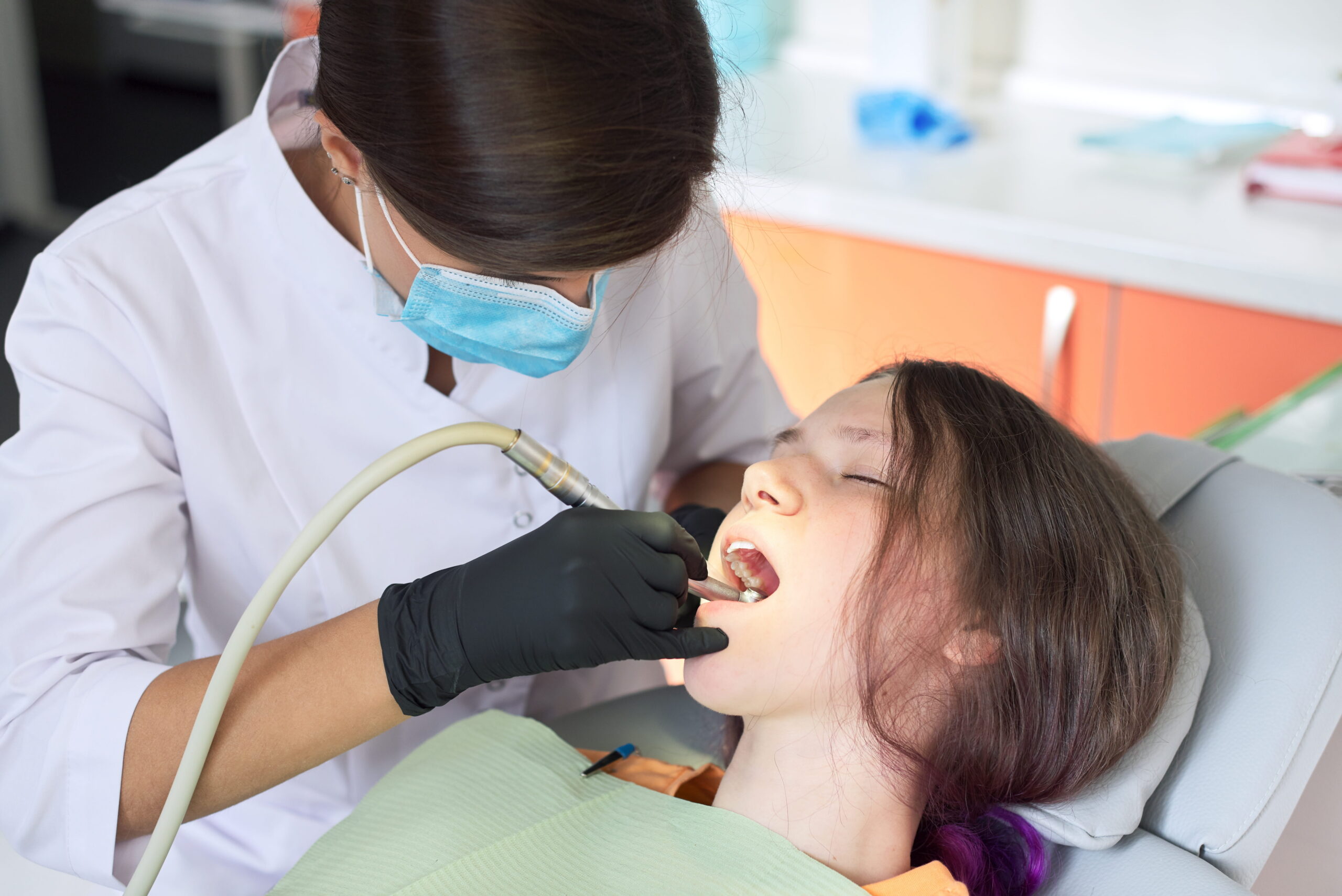
If you’ve put off scheduling a cleaning or ignored a nagging toothache because the thought of sitting in a dentist’s chair makes your palms sweat, you’re far from alone. Dental anxiety keeps a huge number of adults in the Buffalo area from getting care they know they need, and for plenty of them, it traces back to one bad experience years ago that never really went away.
Sedation dentistry exists for exactly this reason. It’s not just for people getting major oral surgery. It’s a real option for anyone who feels their stomach drop at the thought of a routine filling, and it’s one of the more overlooked tools for getting nervous patients out of a years-long cycle of avoidance. This guide walks through the different levels of sedation dentistry available at Smile Center, what each one actually feels like once you’re in the chair, and how to tell whether it’s the thing that finally gets you back to regular care.
Why So Many Patients Keep Putting Off Dental Care
Dental anxiety is one of the most common reasons adults delay checkups and treatment, and it has little to do with willpower. According to research, nearly 73% of U.S. adults reported experiencing some level of dental fear, including about 46% with moderate fear and 27% with extreme fear.
The problem is that avoidance tends to make things worse. A small cavity left untreated can turn into a root canal. Mild gum irritation can turn into gum disease. And the longer someone waits, the more involved and more expensive the eventual treatment tends to be. Sedation dentistry is one of the more effective ways to break that cycle, because it changes what the appointment actually feels like instead of just asking someone to push through the fear.
This shows up constantly in the Buffalo and Cheektowaga area, where families often end up managing decades of delayed care all at once, usually after a toothache finally forces the issue. Sedation options exist specifically to make that first visit back manageable, so patients aren’t walking into years of neglected work with the same anxiety that kept them away in the first place.
The Three Levels of Sedation Dentistry and What Each One Actually Feels Like
Sedation dentistry isn’t one single thing. Smile Center offers three distinct levels, ranging from a light sense of calm to a much deeper state of relaxation, so the approach can be matched to how anxious someone feels and what the procedure actually requires.
| Sedation Level | How It’s Given | What It Feels Like | Best For |
|---|---|---|---|
| Nitrous oxide (laughing gas) | Breathed in through a small mask | Light, floaty calm that wears off within minutes of removing the mask | Mild nervousness, routine cleanings and fillings |
| Oral (enteral) sedation | A pill taken before the appointment | Drowsy and deeply relaxed; many patients doze on and off | Moderate anxiety or longer, more involved procedures |
| IV sedation | Delivered through an IV line | A deep, semi-conscious calm; most patients remember little to nothing afterward | Severe dental fear or complex, multi-step procedures |
IV sedation is the strongest option Smile Center offers, and it requires a level of state licensure that few general dentists in the Buffalo area actually hold. Because it leaves patients briefly unable to drive, anyone choosing this route needs someone to bring them home afterward.
What to Expect During and After Your Visit
With nitrous oxide, you’ll stay fully alert and can drive yourself home right after the appointment. Oral and IV sedation are different. You’ll need someone with you for the visit and the ride home, since the drowsiness can linger for a few hours afterward. The Smile Center team walks through these logistics ahead of time, so nothing about the day itself catches you off guard.
Signs Sedation Dentistry Might Be Right for You
Sedation dentistry tends to be a good fit for patients who recognize a few common patterns in how they’ve handled dental care so far.
- You’ve canceled or rescheduled appointments more than once because of nerves
- A bad childhood experience still makes you tense up in the waiting room
- You have a strong gag reflex that makes routine work uncomfortable
- You need several procedures done and dread the idea of multiple visits
- Sitting still through a longer appointment feels physically impossible
If two or three of those sound familiar, it’s worth bringing up sedation options at your next visit, even if you’ve never mentioned your anxiety to a dentist before.
Ready to Stop Putting Off the Care You Need?
Not knowing which sedation option actually fits your situation, worrying about whether insurance will help cover it, and feeling nervous about even bringing up your fear out loud are all real obstacles. They’re exactly what keeps so many people stuck in the same avoidance loop year after year.
That’s where Smile Center can help. Dr. Gordon Kent and the team review your health history and your specific fears first, then walk you through which level of sedation actually makes sense, whether that’s a light dose of laughing gas for a cleaning or IV sedation for something bigger.
If you’re ready to talk it through, call Smile Center at 716-634-4090 to schedule a consultation. That first conversation is just a conversation, no pressure and no judgment, and it’s usually the first real step toward getting your smile back on track.
FAQ Section
Does insurance cover sedation dentistry?
Coverage depends on your specific plan and the reason sedation is being used, so it varies from patient to patient. A Flexible Spending Account can often help offset the cost, and Smile Center also offers financing options like CareCredit for patients who want to spread payments out over time.
Will I be completely unconscious during sedation?
No, none of the sedation levels offered at Smile Center are the same as general anesthesia. Even with IV sedation, the deepest option available, patients stay able to breathe and respond on their own. Most people describe it as a deep, dreamlike calm rather than being fully asleep.
How should I prepare for a sedation dentistry appointment?
For oral or IV sedation, plan to have someone drive you home afterward, since the effects can linger for a few hours. Your dentist will also go over any instructions about eating or taking regular medications beforehand, based on which sedation level you’re using and your health history.
Is sedation dentistry safe for children or older adults?
Yes, with the right precautions. Sedation is adjusted based on age, health conditions, and current medications, so a plan that works well for a healthy adult might look different for a child or an older patient. Smile Center’s team reviews that history closely before recommending any sedation option.
How long does it take for sedation to fully wear off?
Nitrous oxide clears out of your system within minutes of switching back to regular oxygen, which is why patients can drive themselves home afterward. Oral and IV sedation take longer, often several hours, so plan to take it easy for the rest of the day rather than heading straight back to work or errands.